Down alternative and natural fill materials offer distinct advantages for sleeping environments, balancing warmth, breathability, and softness. Synthetic fills such as hypoallergenic fibers mimic the loft and comfort of traditional down while remaining easy to care for, making them suitable for sensitive sleepers and varying climates. Understanding fill power, stitch construction, and shell fabric helps evaluate long-term comfort and durability.
Natural fills, including cotton and wool blends, provide moisture-wicking properties and temperature regulation that can enhance nightly comfort. These materials often feature breathable shells and cloud-like loft, contributing to improved airflow and reduced heat buildup. When selecting bedding, pillows, or comforters, consider allergen considerations and care requirements to sustain performance over time.
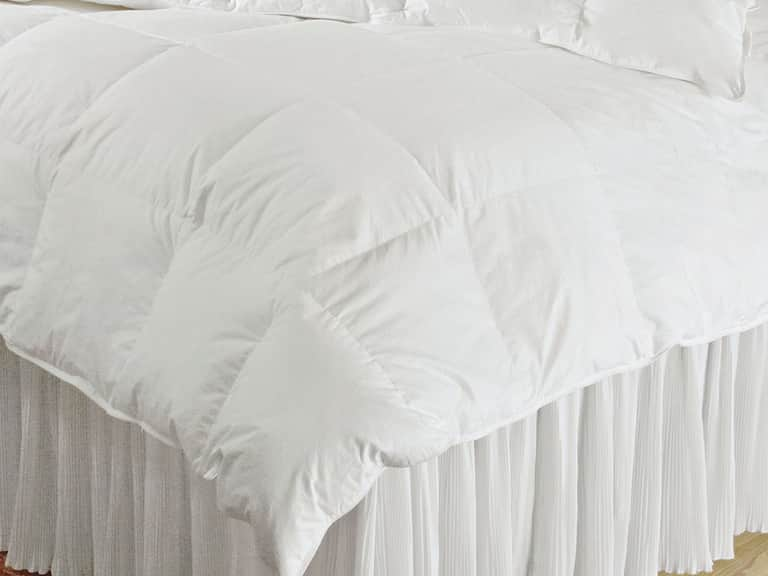
The DownTown Company Alpine Down Alternative Comforter exemplifies how down alternative technology can deliver plush warmth without the responsibilities of traditional down. This comforter typically emphasizes lightweight warmth, easy care, and allergy-friendly attributes, making it a practical choice for bedrooms, nurseries, or guest rooms where consistent comfort is valued.
In bedding and nursery contexts, the interplay between fill type, fabric weight, and construction influences warmth, loft retention, and washability. Down alternative options often feature quilting patterns that distribute fill evenly, while natural fills may rely on filling densities and box or baffle-box designs to maintain consistent comfort throughout the night.
For a comprehensive understanding of category relevance, examine product features such as fill material, warmth rating, care instructions, and applicable uses. Keywords like bedding, pillows, nursery, comforters, and down comforters reflect the scope of materials and applications, guiding informed decisions about sleeping environments and the role of fill in overall comfort.
 Bedding